Welding Aluminium Vs Steel In Darwin: What’s Better For Coastal & Humid Conditions?
Choosing the right material for a welding project in Darwin isn’t as simple as comparing price or appearance. The Top End’s climate is one of the harshest environments for metal in Australia, with constant humidity, salty coastal air, high UV exposure and intense heat all year round. These conditions accelerate corrosion, affect structural performance and significantly influence how long a welded structure will last.
For property owners, builders and businesses looking for welding in Darwin, understanding the real-world differences between aluminium and steel is essential. This guide takes a practical, locally focused look at how each metal performs in Darwin’s conditions, which applications suit each material best and what to consider before requesting a welding quote.
Why Darwin’s Climate Demands Smarter Material Choices
Darwin’s environment places continuous stress on exposed metalwork. Unlike cooler or drier regions, metal here is rarely able to “dry out” fully, allowing corrosion to develop and spread quickly. Key environmental factors include:
- High humidity levels throughout the year
- Salt-laden air from coastal proximity
- Frequent rainfall followed by strong heat
- UV exposure that degrades coatings faster
Because of this, material selection plays a critical role in long-term durability, safety and maintenance costs. A metal that performs well inland may fail prematurely in Darwin if it isn’t suited to these conditions.
Aluminium: A Natural Fit for Coastal Conditions
Aluminium is widely used in coastal regions due to its inherent corrosion resistance. When exposed to air, aluminium forms a thin oxide layer that protects the metal beneath from rusting.
Advantages of aluminium in Darwin
- Naturally resistant to rust and salt corrosion
- Lightweight, reducing stress on fixings and structures
- Minimal ongoing maintenance required
- Maintains appearance longer in humid environments
These qualities make aluminium an attractive choice for many outdoor and coastal-adjacent projects.
Common aluminium welding applications in Darwin
- Gates and fencing near the coast
- Handrails and balustrades
- Pool fencing
- Marine-adjacent components
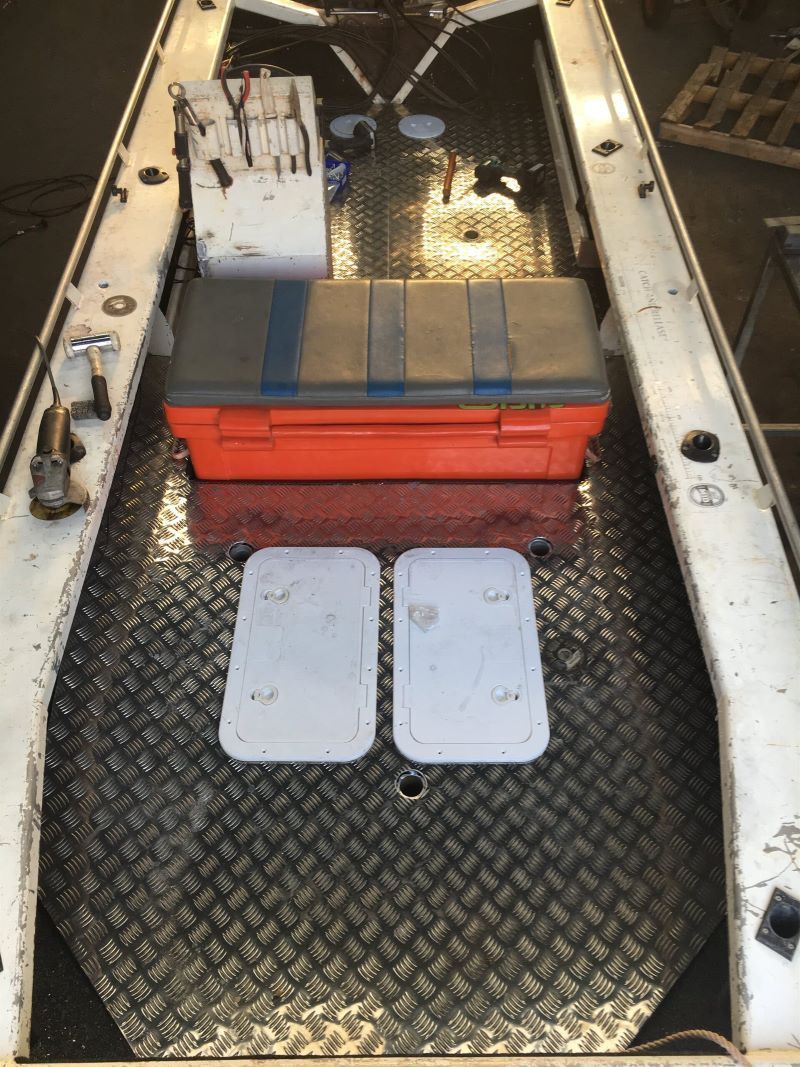
- Trailer frames where reduced weight is beneficial
Because aluminium does not rust in the traditional sense, it often outperforms steel in exposed locations where moisture and salt are unavoidable.
Limitations of Aluminium to Consider
While aluminium performs well in Darwin’s climate, it’s not suitable for every application. Potential limitations include:
- Lower overall strength compared to steel
- Higher material cost in some cases
- Requires specialised welding techniques
- More prone to bending under heavy loads
For projects that require high load-bearing capacity or impact resistance, aluminium may not always be the best option without careful design.
Steel: Strength and Fabrication Flexibility
Steel remains one of the most commonly used materials in welding due to its strength, availability and versatility. For many structural and industrial applications, steel is often the preferred choice.
Advantages of steel
- Superior strength and rigidity
- More cost-effective for large-scale projects
- Easier to fabricate into complex shapes
- Ideal for structural and load-bearing components
Steel is widely used across residential, commercial and industrial projects in Darwin — but only when corrosion protection is taken seriously.
The Corrosion Challenge with Steel in Darwin
Unlike aluminium, steel does not have natural corrosion resistance. When exposed to moisture and salt, steel begins to rust quickly, particularly in weld zones where protective coatings may be compromised. In Darwin’s climate, unprotected steel can suffer from:
- Surface rust forming rapidly
- Corrosion spreading beneath paint or coatings
- Structural weakening over time
- Reduced lifespan without regular maintenance
This doesn’t mean steel should be avoided—but it does mean additional steps are essential.
Protective Treatments That Help Steel Last Longer
To perform well in Darwin, steel typically requires robust corrosion protection. Common protective options include:
- Hot-dip galvanising
- Zinc-rich primers
- Industrial-grade powder coating
- Regular maintenance and inspections
When properly treated, steel can provide excellent durability even in harsh coastal conditions, though it will still require more upkeep than aluminium.
Maintenance: Aluminium vs Steel in the Top End
Aluminium Maintenance Requirements
- Occasional washing to remove salt residue
- Minimal surface treatment
- Lower long-term maintenance costs
Aluminium’s low-maintenance nature makes it appealing for homeowners and businesses wanting longevity without constant upkeep.
Steel Maintenance Requirements
- Regular inspections for rust
- Prompt repair of chipped or damaged coatings
- Periodic re-coating in high-exposure areas
Over time, maintenance costs should be factored into the overall project budget.
Heat, Expansion and Structural Performance
Darwin’s heat doesn’t just affect corrosion—it also impacts how metals expand and perform.
- Aluminium expands more than steel under heat, which must be accounted for during fabrication and installation.
- Steel remains more dimensionally stable, making it suitable for precision structural work.
An experienced welder will design joints, fixings and tolerances to manage these effects safely.
Cost Considerations: Upfront vs Long-Term
When comparing aluminium and steel, it’s important to look beyond initial costs.
- Aluminium often has a higher upfront price but lower long-term maintenance expenses.
- Steel is generally cheaper initially but may cost more over time due to corrosion protection and repairs.
In Darwin, long-term durability often provides better value than short-term savings.
Which Material Is Better for Common Darwin Projects?
Gates and Fencing
- Aluminium: Ideal for coastal exposure and minimal upkeep
- Steel: Suitable when galvanised and powder coated
Handrails and Balustrades
- Aluminium: Excellent corrosion resistance and clean appearance
- Steel: Strong but requires ongoing protection
Trailers
- Aluminium: Lightweight and corrosion-resistant, ideal for boat trailers
- Steel: Stronger for heavy loads but requires protective coatings
Brackets and Structural Supports
- Aluminium: Suitable for light-duty applications
- Steel: Preferred for heavy-duty and load-bearing roles
A Simple Decision Checklist
Before arranging welding in Darwin, consider:
- Will the structure be exposed to salt air or moisture?
- Is low maintenance a priority?
- Does the project require high strength or load-bearing capacity?
- Is weight an important factor?
- What protective coatings or finishes will be applied?
Answering these questions helps ensure the right material is chosen from the start.
Why Local Welding Experience Matters in Darwin
Darwin’s conditions are unique, and material choices that work elsewhere may fail here. Local welders understand:
- How salt and humidity affect metal over time
- Which finishes last longest in the Top End
- How to design structures for heat and exposure
- Real-world performance of aluminium vs steel locally
This local insight helps avoid costly mistakes and premature failures.
Making the Right Aluminium vs Steel Choice in Darwin
There is no universal “better” material—only the right material for the job. Aluminium excels in corrosion resistance, low maintenance and coastal environments, making it ideal for many outdoor applications in Darwin. Steel offers unmatched strength and fabrication flexibility, provided it’s properly protected and maintained.
For anyone planning a project that requires
welding Darwin residents rely on, taking the time to consider climate, usage, maintenance and long-term performance leads to better outcomes. With informed material selection and skilled welding, both aluminium and steel can deliver safe, durable and long-lasting results in Darwin’s challenging coastal conditions.
Contact AKS Welding & Fabrication to get started!