Common Welding Hazards And How Professionals Manage Them
Welding is one of those trades where the margin for error is narrow. The heat, the electricity, the fumes and the sparks are all part of the job — but so is knowing exactly how to work around them safely. For anyone overseeing a welding project or working in the trade, understanding the hazards involved and how experienced professionals manage them isn't just useful knowledge; it's essential.
The Physical Dangers of Welding
Burns, electric shocks and eye damage are the most immediate risks welders face on the job. Arc welding generates temperatures exceeding 6,500 degrees Celsius, and even brief skin exposure to spatter or radiant heat can cause serious injury. Electric shock — one of the most dangerous hazards in the trade — can occur when a welder contacts two metal objects that carry a voltage difference, often with little warning.
Eye damage is another significant concern. The intense ultraviolet and infrared radiation produced by a welding arc can cause arc eye, a painful condition similar to sunburn on the cornea, as well as longer-term retinal damage if proper protection isn't worn consistently.
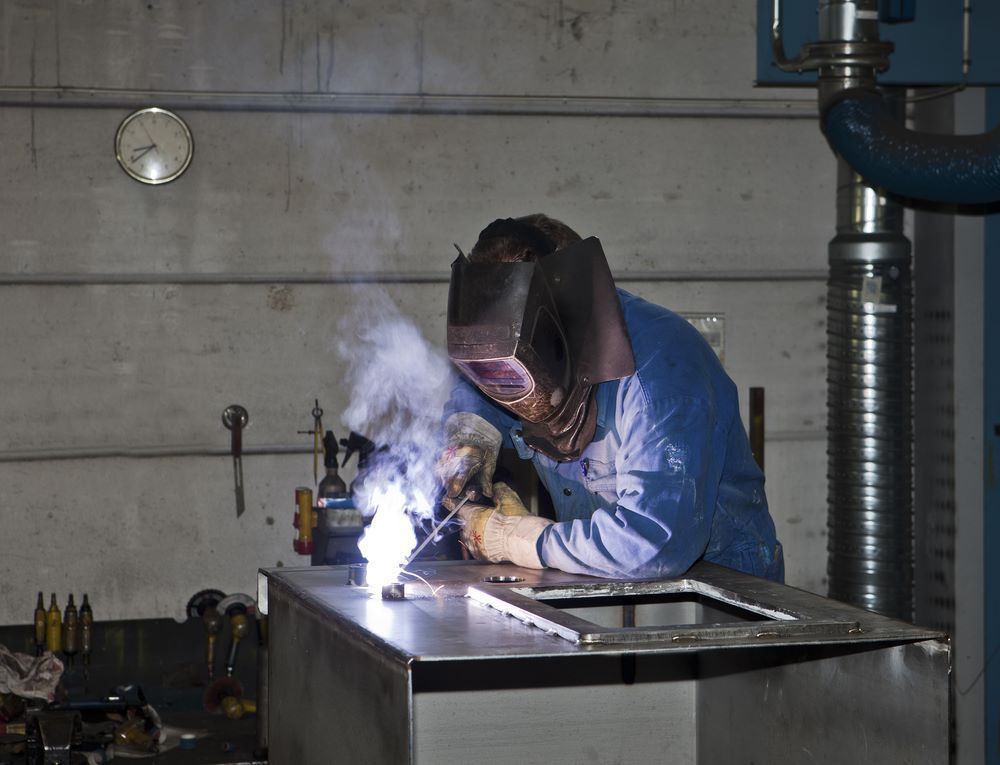
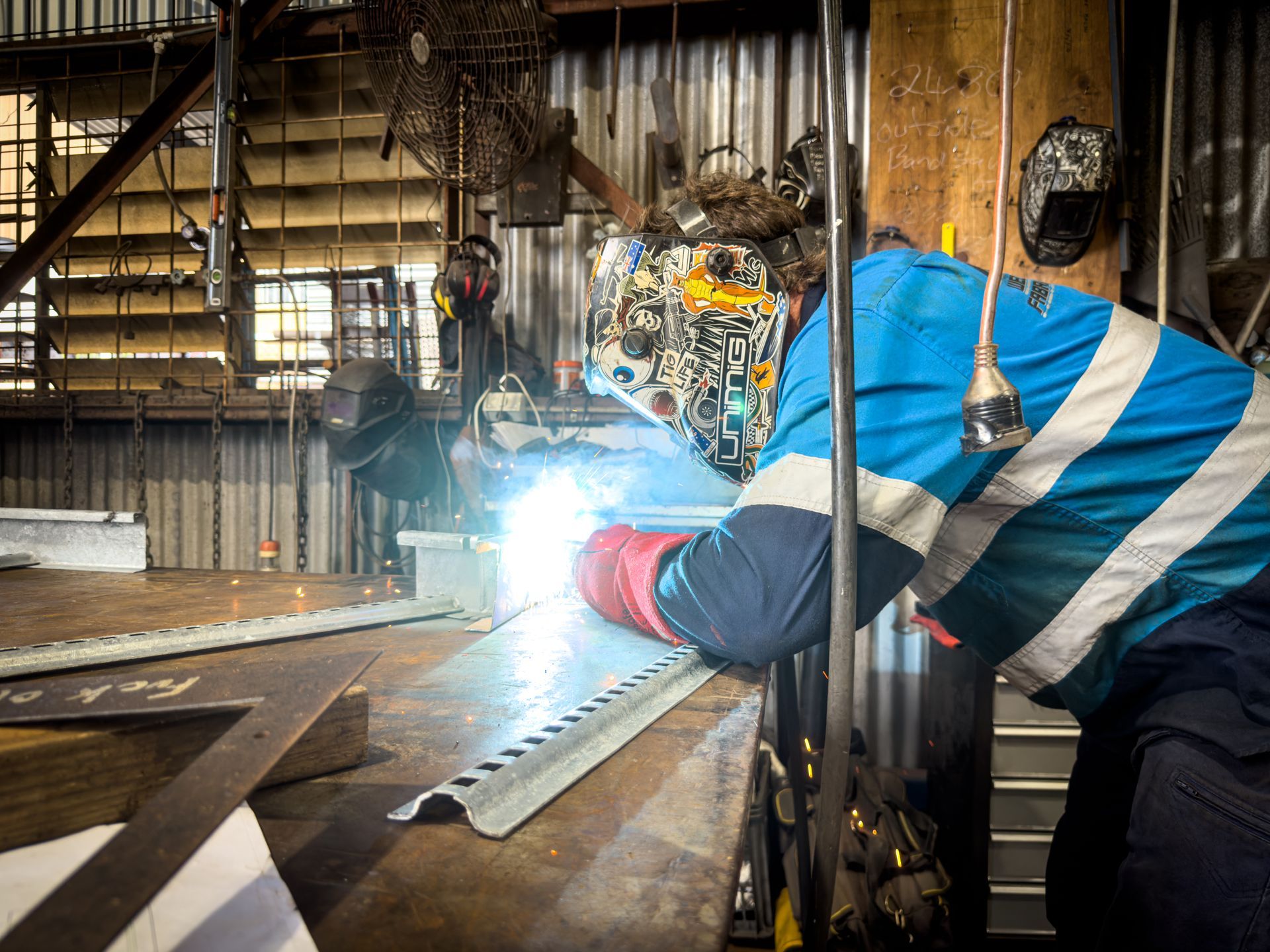
Experienced welders manage these risks through:
- Correctly rated auto-darkening or passive welding helmets for eye and face protection
- Flame-resistant clothing, leather gloves and protective boots worn at all times
- Dry, insulated gloves and equipment checks before starting any electrical work
- Maintaining a safe distance from the arc when not actively welding
Fumes, Gases and Respiratory Risks
Welding fumes are a serious and often underestimated hazard. The process of melting metal releases a complex mixture of metallic oxides, silicates and fluorides — many of which are harmful when inhaled over time. Certain materials, including galvanised steel and stainless steel, produce particularly toxic fumes containing zinc oxide and hexavalent chromium, respectively.
Short-term exposure can cause irritation to the nose, throat and lungs. Long-term exposure without adequate controls has been linked to serious respiratory conditions and, in some cases, neurological damage.
Professional management of respiratory risks includes:
- Local exhaust ventilation positioned close to the source of fumes
- Supplied air respirators or appropriate particulate respirators for confined or poorly ventilated spaces
- Material safety data sheet reviews before working with unfamiliar metals or coatings
- Regular breaks and rotation of tasks to limit cumulative exposure
Fire and Explosion Hazards
Welding sparks can travel several metres and remain hot enough to ignite flammable materials for some time after landing. On construction sites or in workshops where fuels, solvents or combustible dust are present, this creates a genuine fire and explosion risk that requires careful site management.
Professionals working in Darwin and across the Northern Territory are also mindful of the dry season conditions that can make vegetation and surrounding materials more susceptible to ignition.
Key controls used by experienced welders include:
- Clearing flammable materials from at least five metres around the work area
- Using fire-resistant welding blankets to shield nearby surfaces and structures
- Having a fire extinguisher accessible and a fire watch in place where required
- Checking for hidden fuel lines, gas pipes or enclosed spaces before beginning hot work
Structural and Workpiece Hazards
Welding on structures that are load-bearing, under tension or inadequately supported introduces risks beyond the immediate work area. Poorly prepared joints, incorrect heat input or welding on compromised steel can affect the structural integrity of the finished product, with consequences that may not be immediately visible.
This is where professional training and experience make the greatest difference. Qualified welders understand material properties, joint design and the effect of heat on different steel grades. They work to relevant Australian standards and weld procedure specifications that govern everything from preheat requirements to acceptable defect limits.
PPE and Regulatory Compliance in Professional Welding
Managing welding hazards isn't just about individual precautions — it requires a systematic approach to workplace health and safety. In Australia, welding operations are governed by a range of standards, including AS/NZS 1674 for safety in welding and allied processes, as well as the broader requirements of the Work Health and Safety Act applicable in each state and territory.
Professional welding businesses maintain:
- Current safe work method statements for high-risk welding tasks
- Regular equipment inspections and maintenance records
- Up-to-date training and certification for all operators
- Documented risk assessments tailored to the specific work environment
Why Professional Expertise Matters
The difference between a welder who knows the hazards and one who manages them systematically is significant. On any project — from structural steel fabrication to on-site repairs — cutting corners on safety doesn't just put individuals at risk, it can compromise the quality and compliance of the finished work.
Welding in Darwin presents its own environmental considerations too. Heat, humidity and the transition between wet and dry seasons affect everything from equipment performance to worker fatigue, making local knowledge and experience a genuine advantage on any job.
Get Your Welding Project Done Safely and to Standard
We at AKS Welding & Fabrication bring the expertise, equipment and safety practices needed to handle welding projects of all scales — from structural fabrication to on-site repairs across Darwin and the surrounding region. If you're managing a construction project, need qualified welders for industrial work, or want to make sure your next job is completed safely and to Australian standards, get in touch with us today.
Contact our team to discuss your requirements and arrange a quote.