Stick Welding: When And Why It’s Used
In the world of construction, fabrication and industrial repair, choosing the right welding method can have a direct impact on the strength and durability of the final result. Among the many techniques available, stick welding continues to play a key role across a wide range of projects.
Known for its versatility and reliability, this method is often used in situations where conditions are less than ideal or where heavy-duty materials are involved. Understanding when and why stick welding is used can help project managers, builders and business owners make more informed decisions when planning steel work.
What Is Stick Welding and How Does It Work?
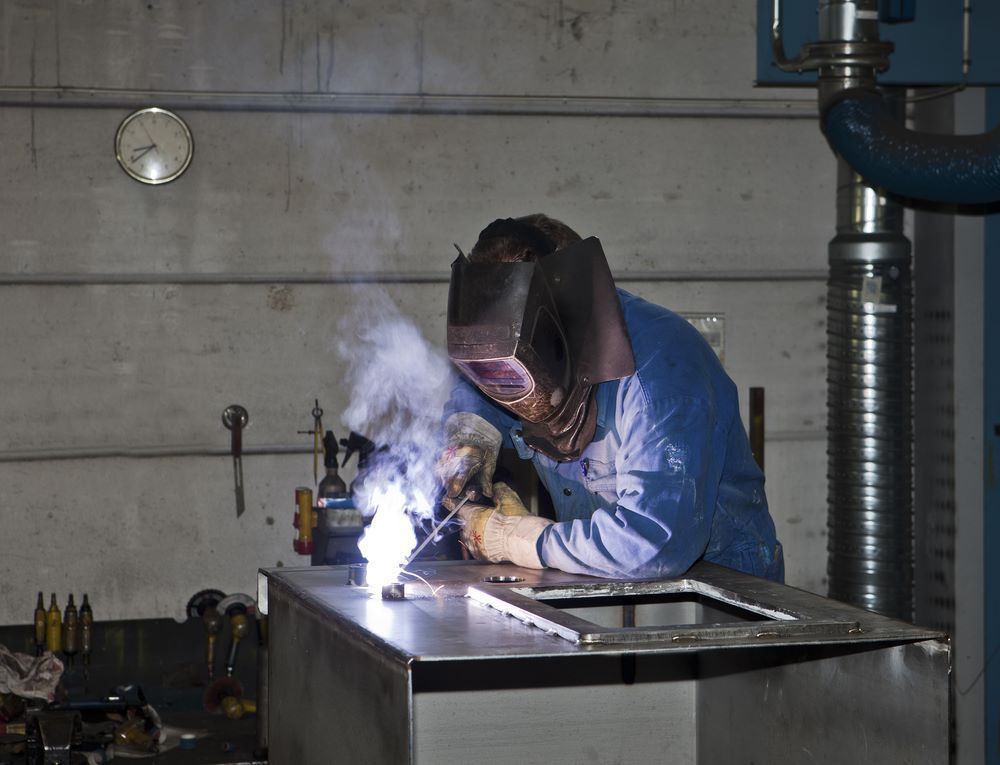
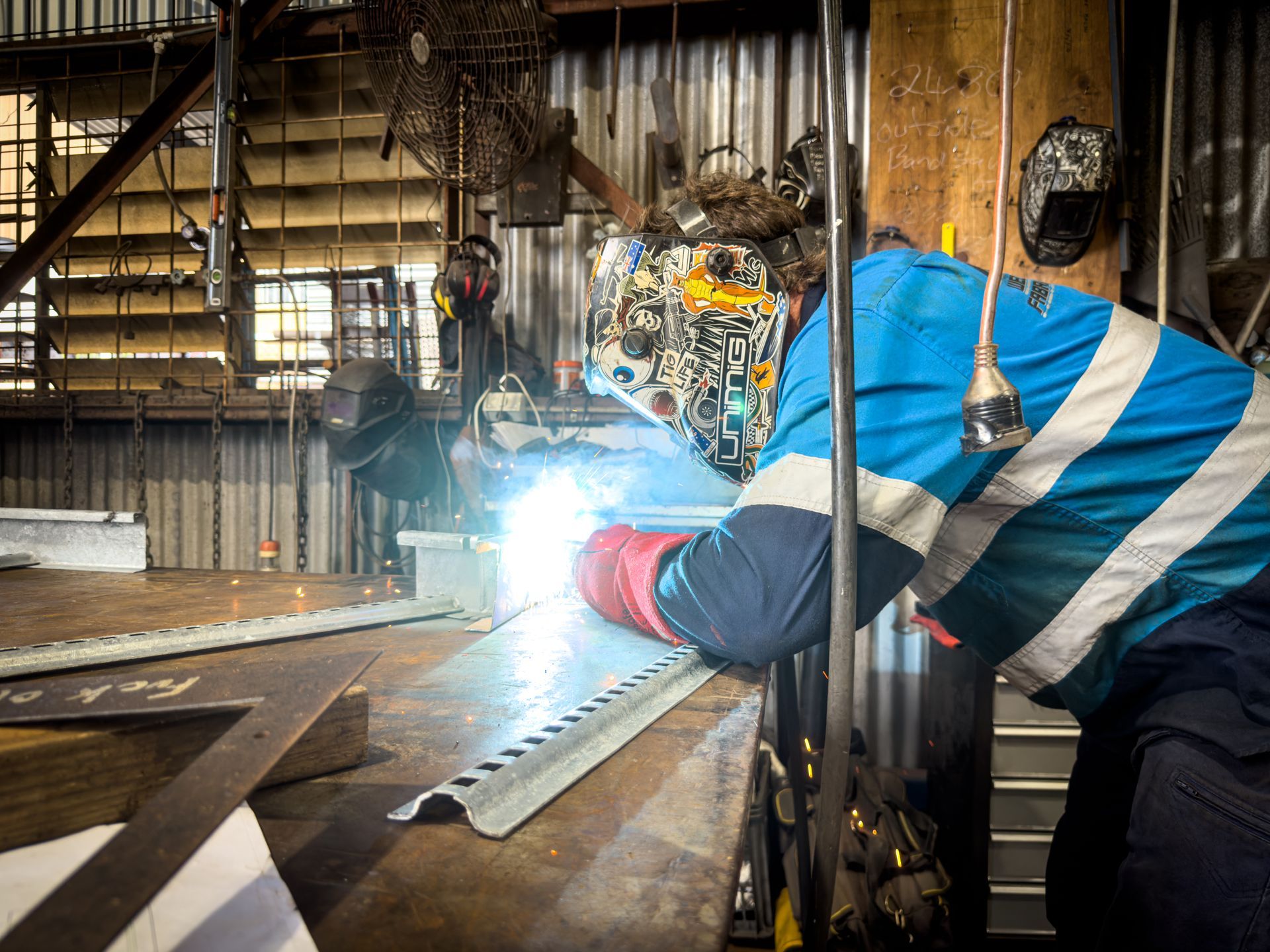
Stick welding, also known as Shielded Metal Arc Welding (SMAW), is a process that uses an electric current to create an arc between a consumable electrode and the base metal. This arc generates heat, melting both the electrode and the material to form a strong bond.
The electrode is coated in a flux that produces a protective gas and slag layer, shielding the weld from contaminants during the process. This makes stick welding suitable for a wide range of environments.
Key elements of the process include:
- A flux-coated electrode that melts during welding
- An electric arc that generates the required heat
- A protective layer that reduces contamination
- A process suited to steel and heavy-duty applications
Why Stick Welding Is Still Widely Used Across Australia
Despite advancements in welding technology, stick welding remains widely used across Australia due to its practicality and adaptability. It is particularly valued in industries where reliability and flexibility are essential.
In sectors such as construction, mining and fabrication, stick welding continues to be a dependable choice for structural and repair work. Its ability to perform well in varying conditions makes it a consistent option for welding in Darwin and similar environments.
Reasons for its continued use include:
- Strong welds suitable for structural applications
- Minimal equipment requirements compared to other methods
- Effective performance in remote or on-site locations
- Compatibility with a wide range of steel materials
When Stick Welding Is the Best Choice for the Job
Certain projects benefit more from stick welding than others. It is often selected when durability and adaptability are required, especially in situations where access is limited or conditions are unpredictable.
For repair work and structural applications, this method offers a practical solution that can be applied across different project types.
Common use cases include:
- Structural steel welding in construction projects
- Repair work on heavy machinery or equipment
- Maintenance in industrial and mining environments
- Situations where portability and flexibility are needed
Handling Tough Conditions: Outdoor and On-Site Welding Advantages
One of the key strengths of stick welding is its ability to perform in outdoor and challenging environments. Unlike some other welding methods, it is less affected by wind or environmental factors, making it suitable for on-site work.
This makes it particularly useful for projects where welding cannot be carried out in a controlled workshop environment.
Advantages in tough conditions include:
- Reduced sensitivity to wind compared to gas-shielded methods
- Ability to work in remote or exposed locations
- Reliable performance in varied weather conditions
- Suitable for on-site structural repairs and installations
Working with Thick Materials and Structural Steel
Stick welding is well-suited to thicker materials and structural steel applications. Its ability to generate deep penetration makes it effective for joining heavy-duty components that require strength and durability.
In construction and fabrication, this makes it a preferred method for load-bearing structures and critical components.
Applications include:
- Welding structural beams and frameworks
- Fabrication of heavy steel components
- Repairs on thick metal surfaces
- Reinforcement of existing steel structures
Comparing Stick Welding to Other Welding Methods
While stick welding offers many advantages, it is important to understand how it compares to other methods such as MIG and TIG welding. Each technique has its own strengths depending on the application.
Choosing the right method depends on factors such as material type, environment and required finish.
Key comparisons include:
- Stick welding is more versatile in outdoor conditions
- MIG welding is often faster in controlled environments
- TIG welding provides a more precise and clean finish
- Stick welding is better suited for thicker materials and repairs
Safety, Standards and Quality Considerations in Welding
Welding work must be carried out with a strong focus on safety and compliance. Adhering to Australian standards helps ensure that welds are structurally sound and suitable for their intended use.
Professional welding services follow established procedures to maintain quality and reduce risk during the process.
Important considerations include:
- Use of appropriate protective equipment
- Compliance with Australian welding standards
- Proper preparation and inspection of materials
- Ensuring weld integrity for structural applications
Choosing the Right Welding Approach for Your Project
Selecting the appropriate welding method involves considering the specific requirements of the project. Factors such as material thickness, working conditions and accessibility all play a role in determining the best approach.
Stick welding remains a reliable option for many applications, particularly where durability and adaptability are needed.
When deciding, consider:
- The environment where the work will take place
- The type and thickness of materials involved
- Whether the project requires on-site or workshop welding
- The level of strength and durability required
Get Reliable Welding Support for Your Next Project
If your project requires dependable welding solutions, we at AKS Welding & Fabrication provide professional welding in Darwin for structural, repair and on-site applications. Visit the website to learn more about how our team can support your next project with practical and reliable welding services.