Preventative Welding Maintenance for Metal Structures
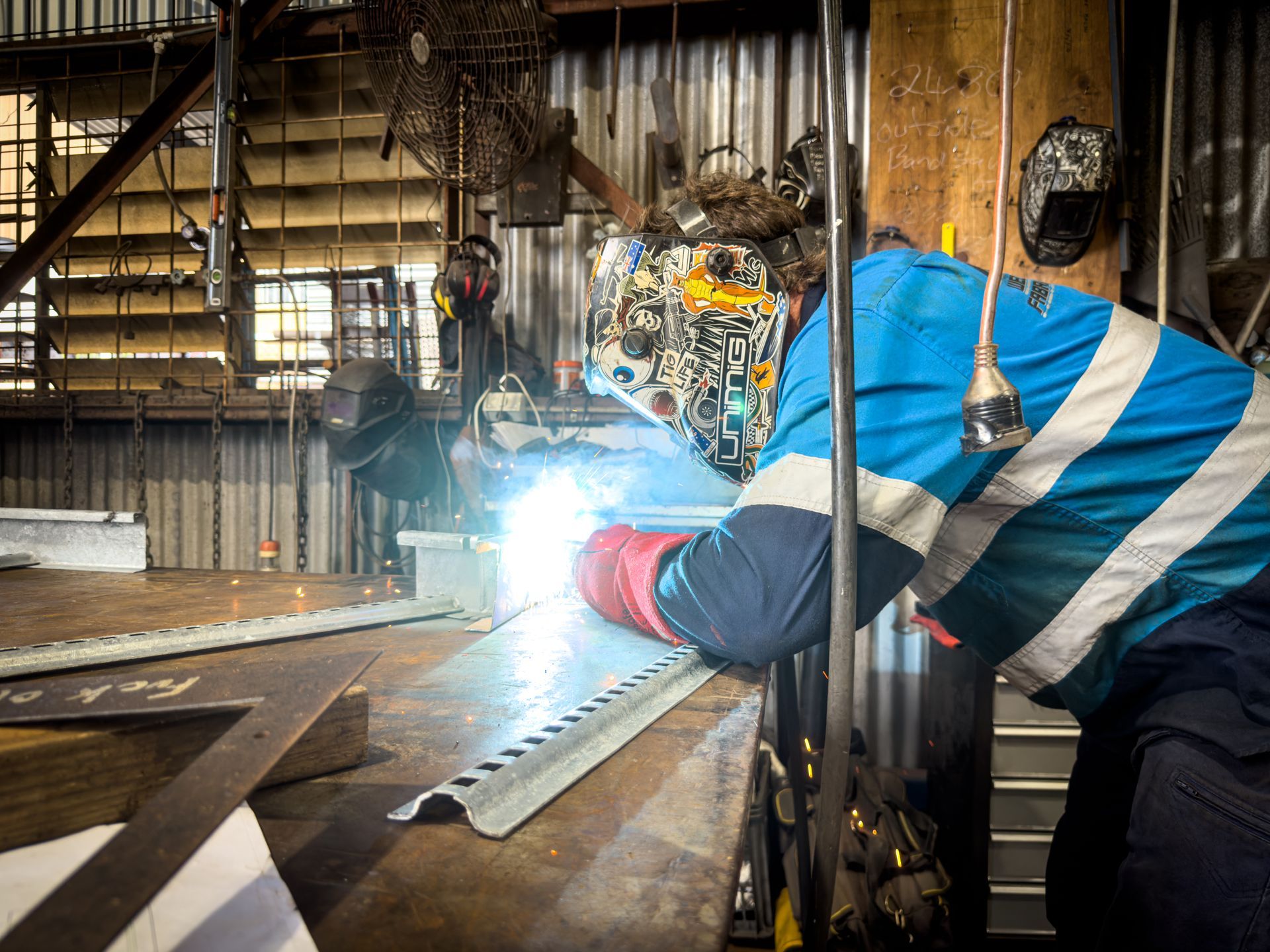
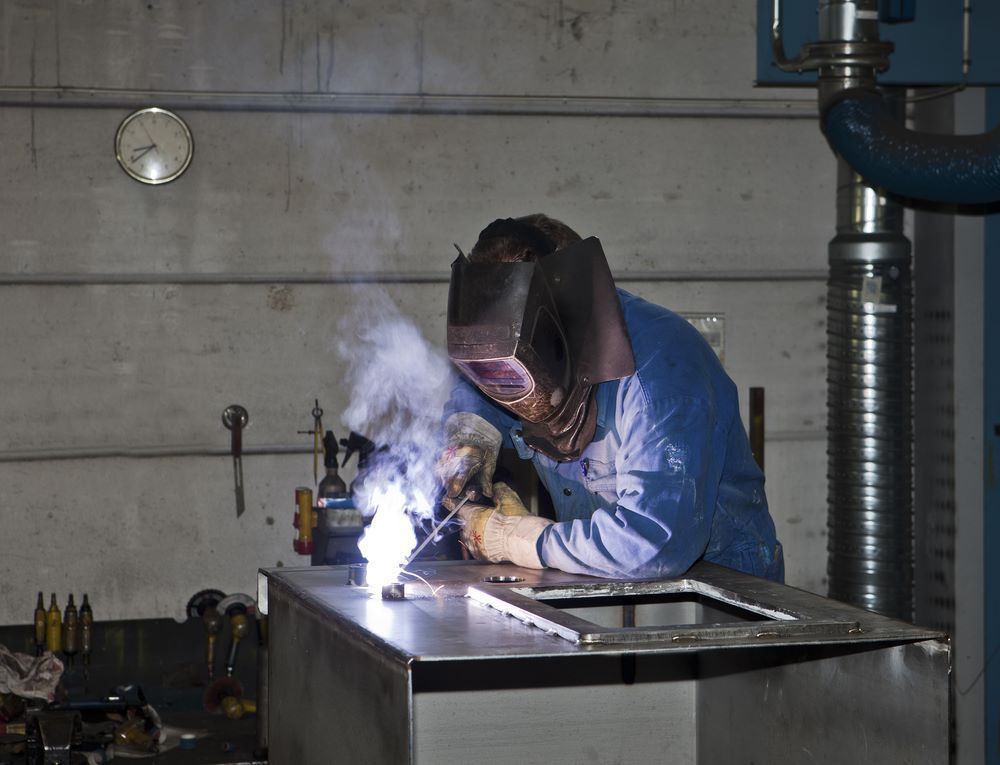
Steel looks permanent, which is exactly why it gets ignored. A structure that stood solid last year feels like it will stand solid forever, right up until a hairline crack or a patch of hidden corrosion says otherwise. For anyone managing metal frameworks, plant or infrastructure, preventative welding in Darwin isn't an optional extra. It's the difference between a scheduled repair and an emergency shutdown. Catching problems while they're small keeps structures safe, compliant and working for decades longer than they otherwise would, and it spares you the cost and disruption of a failure no one saw coming.
Why Preventative Maintenance Beats Reactive Repairs
Waiting for something to fail is the most expensive way to run a metal structure. A weld that lets go under load can halt operations, damage equipment and put people at risk. Planned maintenance flips that equation by dealing with wear on your terms, during scheduled downtime rather than in the middle of a crisis when the pressure and the costs are both at their highest.
Reactive repairs tend to cost more because they:
- happen during unplanned shutdowns that stop production entirely.
- involve larger, more complex fixes once damage has spread.
- carry safety risks that a scheduled inspection would have caught.
Staying ahead of the wear curve almost always works out cheaper in the long run.
Checking Weld Integrity Before It Fails
The welds holding a structure together are its most critical points, and also its most vulnerable. Fatigue, vibration and load cycling slowly work at a joint until cracks appear. Regular inspection catches these early, while a repair is still a quick touch-up rather than a full rebuild that ties up your equipment for days.
A thorough weld inspection looks for:
- surface cracks and porosity that signal fatigue setting in.
- undercutting or poor fusion left from an earlier repair.
- distortion around joints that points to overloading.
Identifying a failing weld early keeps a minor fix from becoming a major failure.
Managing Corrosion in the Territory Climate
Few environments test steel like the Top End. Heat, humidity and the wet season combine to accelerate corrosion far faster than in cooler, drier regions. Rust doesn't just look bad, it eats into structural capacity and weakens the very welds holding everything together, often in the hidden spots that get overlooked until real damage is done.
Corrosion control usually comes down to:
- cleaning and treating rust before it penetrates load-bearing steel.
- reapplying protective coatings on exposed or coastal structures.
- inspecting hidden joints and cavities where moisture collects.
Staying on top of corrosion protects both the steel and the welds within it.
Repairing Minor Cracks Before They Spread
A crack is rarely content to stay small. Under repeated load, a hairline fracture propagates through the metal until it compromises the whole member. Addressing cracks the moment they appear is one of the simplest forms of maintenance there is, and scheduling regular welding in Darwin means these small faults get caught long before they turn into something structural.
Small cracks are worth acting on when they:
- appear at high-stress points like joints and connections.
- follow the line of an existing or previously repaired weld.
- widen or lengthen between one inspection and the next.
Dealing with a crack early keeps a small repair from turning into a replacement.
Keeping Structures Aligned & True
Metal structures shift over time. Settling foundations, thermal movement and heavy loading can pull a framework out of alignment, placing uneven stress on welds never designed to carry it. Left unchecked, that misalignment quietly overloads joints until something gives, usually at the worst possible moment and in the most awkward place to reach.
Alignment problems often reveal themselves through:
- doors, gates or panels that no longer sit square in their frames.
- visible bowing or leaning in columns and beams.
- new stress cracks appearing near load-bearing connections.
Correcting alignment early spreads load the way the structure was designed to handle it.
Choosing the Right Maintenance Partner
Not all repair work is equal, and a poor weld can be worse than no weld at all. Reputable welding services bring the certifications, equipment and technique to repair structures properly, so the fix lasts as long as the original build. It pays to work with people who understand structural steel, not just metal in general, and who can prove their work meets the mark.
A capable maintenance partner should offer:
- welders certified to the relevant Australian standards.
- experience across the structures and materials you operate.
- proper testing to verify each repair before signing off.
Choosing the right team turns maintenance from a recurring headache into a reliable routine.
Staying Compliant With Australian Standards
Structural welding in this country is bound by clear standards, and for good reason. Compliance isn't just paperwork, it's proof that a structure can safely do its job. Regular maintenance keeps you on the right side of those requirements and gives you the documentation to demonstrate it when an auditor or insurer comes asking.
Compliant maintenance matters because it:
- verifies structures meet the standards governing their use.
- provides records that satisfy audits and insurance requirements.
- reduces liability if a structure is ever called into question.
Keeping compliance current protects your operation as much as your steel.
Building Maintenance Into Your Schedule
The most effective maintenance is planned, not improvised. Setting a regular inspection cycle means small issues get caught and logged before they escalate, and you gain a clear picture of how your structures are ageing. That record becomes invaluable for budgeting and for making the case when a larger repair eventually needs funding.
A solid maintenance schedule accounts for:
- inspection intervals matched to each structure's age and use.
- higher-frequency checks on assets in harsh or high-load settings.
- clear records tracking repairs and wear over time.
Treating inspections as routine keeps surprises, and emergency callouts, to a minimum.
Protecting Your Structures for the Long Haul
We at AKS Welding & Fabrication know that the strongest steel still needs looking after, especially in a climate as demanding as ours. From industrial frameworks to commercial infrastructure, our team provides preventative welding in Darwin that keeps your structures safe, compliant and standing strong for years to come. If it's been a while since your last inspection, or you've spotted the early signs of wear, get in touch with us today and we'll help you build a maintenance plan that protects your investment and the people who rely on it.